If you’re driving an electric car, you probably want to know what’s the best EV charging setup for your needs. Understanding the differences between Level 1, Level 2, and Level 3 chargers can help you choose the right system.
Below, we’ll cover EV charging speed, power, and installation requirements, so you can decide which kind of charger will work best for you.
Quick Takeaways
- Level 1 charging uses a standard 120V outlet and is the slowest option
- Level 2 charging uses 240V power and is ideal for home installation
- Level 3 charging (DC fast charging) is used commercially and not typically installed in homes
- Charging speed increases with voltage and amperage
- Most homeowners choose Level 2 for daily convenience and efficiency
What Do EV Charging Levels Mean?
EV levels correspond to a charging station’s power output and charging speed. The higher the charging level, the higher the voltage, and the faster your EV will charge. EV charging level options exist so people can choose the combination of charging speed, convenience, and cost that meets their needs.
Drivers that install a Level 1 or Level 2 AC charger at home will be able to charge their vehicles in a few hours, for a relatively low cost. Level 1 provides slow, overnight charging, while Level 2 provides accelerated charging at homes and some workplaces. Drivers who use Level 3 DC chargers when they are on the road can charge their vehicles for long-range travel in minutes, but at greater expense.
Currently, only Level 1 and Level 2 chargers are compatible with residential electrical systems; Level 3 DC chargers are designed for commercial use only. Also, for most home owners, Level 3 chargers would be prohibitively expensive, even if they were available.
Level 1 Charging (120V)
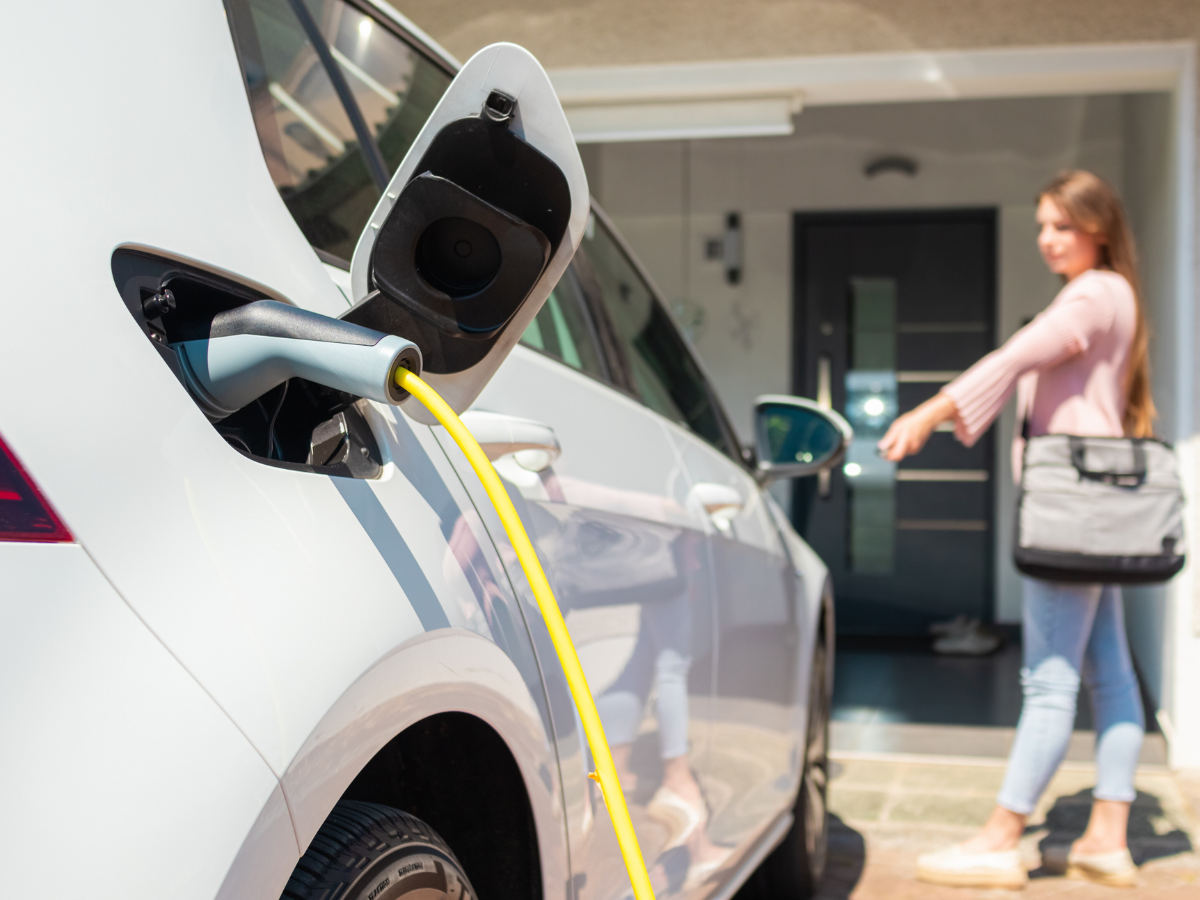 Level 1 chargers are relatively low-cost units that are powered by standard 120V household outlets. They provide slow “trickle” charging at the rate of 3-5 miles of range per hour. These chargers are accessible, portable, and easy to use because they plug in to your wall outlet directly, without any special installation requirements.
Level 1 chargers can work well for people who drive less than 40 miles per day and rarely drive long distances. If you work and shop a short distance away from home, these chargers may meet your needs. They are often included when you buy your vehicle, which means they essentially cost nothing to install.
Replacement chargers usually cost a few hundred dollars. You can charge your car while you sleep, or when you’re at home during the weekend, and the steady flow of energy will support the health of your battery. You can also unplug your charger and take it with you when you travel.
Although Level 1 chargers are inexpensive and simple to operate, they do have some limitations. Since these chargers work slowly, it can take a day or more to fully charge your battery. These long charging times can make spontaneous travel or long road trips inconvenient or impossible.
Likewise, these chargers are not suitable for high-capacity batteries that power long-range EVs. Level 1 chargers operate at 80% efficiency, while Level 2 chargers operate at 90% efficiency, meaning that the cost you pay for electricity will be slightly higher.
Level 2 Charging (240V)
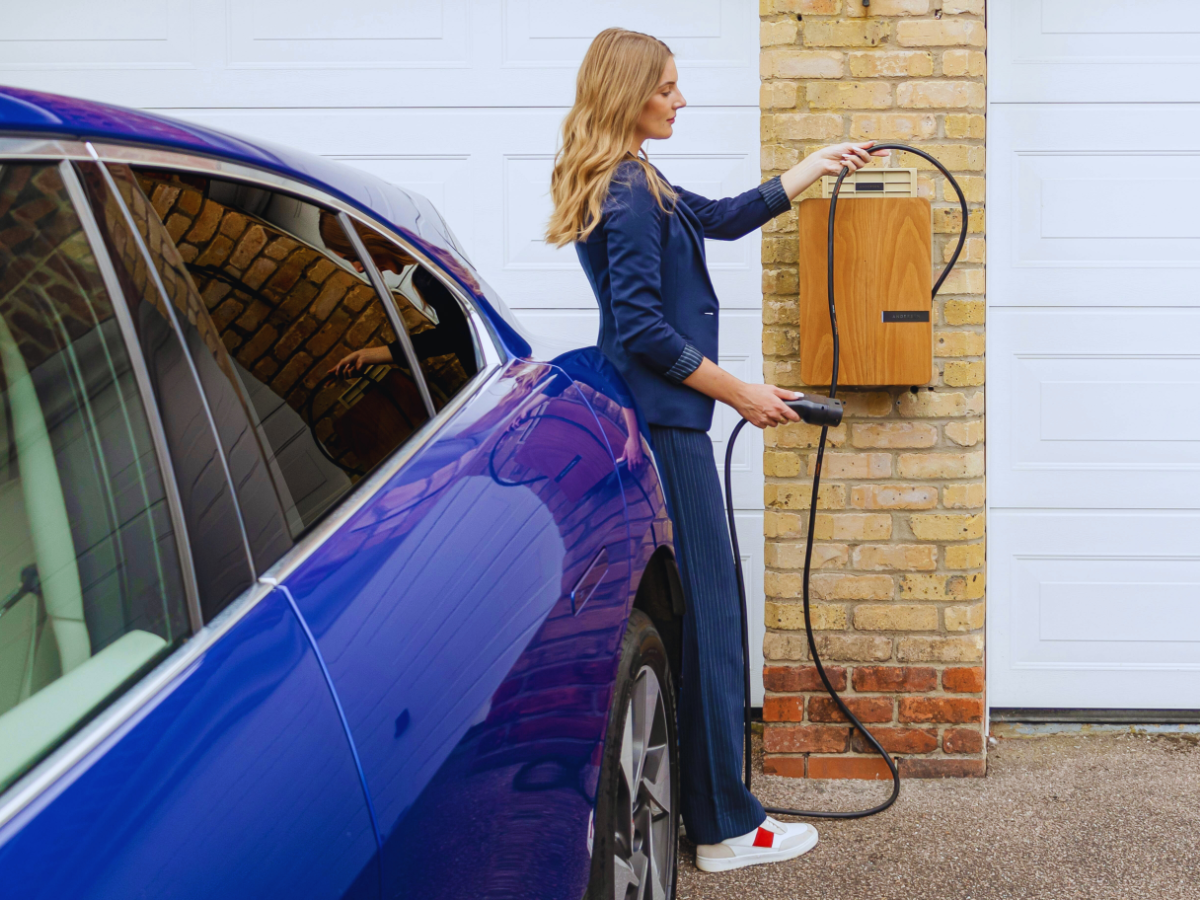 Level 2 chargers use a dedicated 240V outlet and circuit to provide medium-fast charging at a rate of 15-40 miles of range per hour, which makes them at least 5x faster than Level 1 chargers. They can completely charge most batteries in three to eight hours, and fully charge most EVs overnight.
This means you can make occasional long-range drives without needing to recharge your car. Many chargers also have special features like usage tracking and scheduling included in their package.
Level 2 chargers are suitable for residential use, making them an extremely common upgrade, but they require professional installation. An electrician can hook up an isolated circuit, like one you would use for a clothes dryer or air conditioner, into your carport or garage. They can also wire the charger directly into your home’s circuitry, and possibly integrate them with your solar panels, if you have them. Once your new charger is installed, it will be a permanent fixture that will potentially add value to your home.
Because you’ll need to pay for new equipment and professional installation, Level 2 chargers cost more upfront than Level 1 charges. Overall, the average cost of a new installation is around $1,600; units with fewer features are typically less expensive. In addition, you may need to pay for a permit to install the charger. Some government agencies or utilities may offer discounts or rebates that will help offset your costs.
Level 3 Charging (DC Fast Charging)
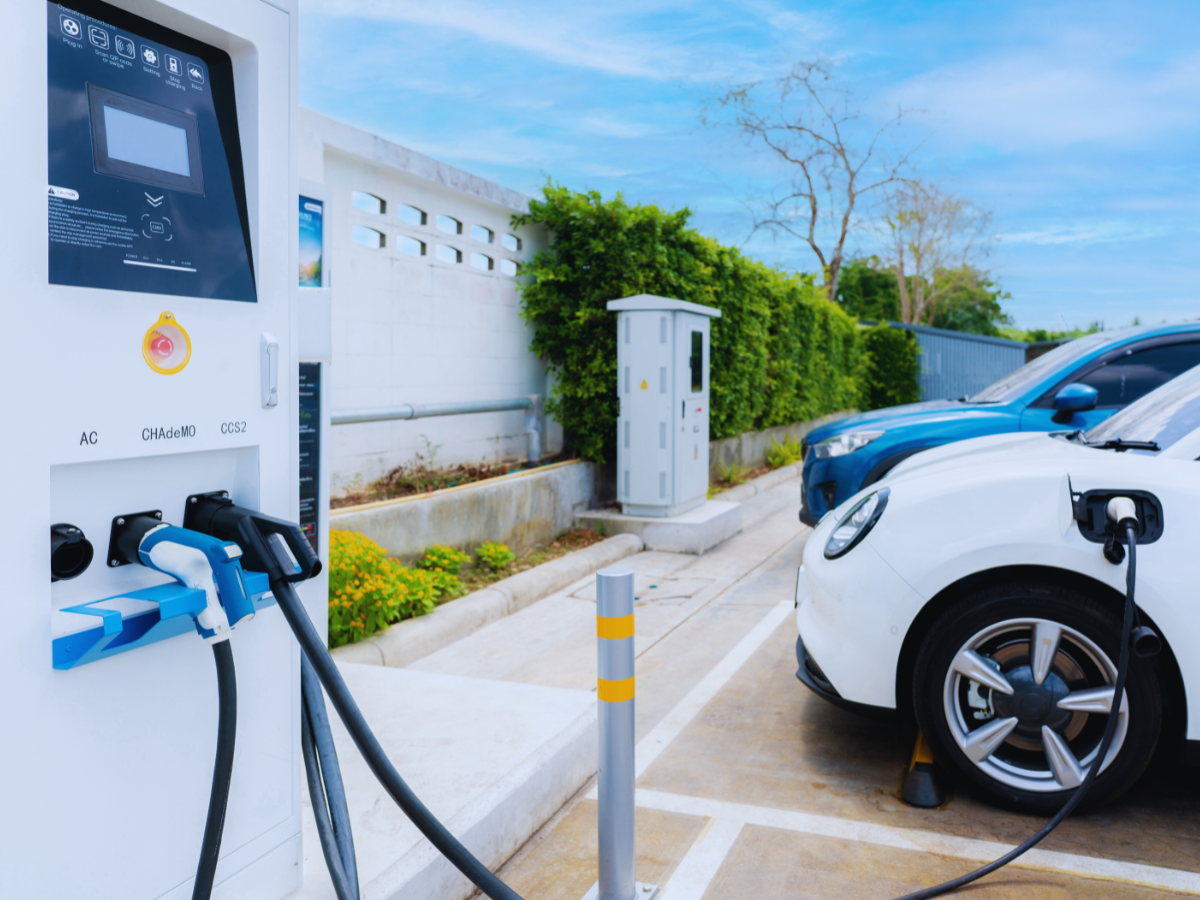 Level 3 chargers use specialized 400+ volt circuits to provide high-voltage DC charging at public commercial charging stations. They can charge most batteries to 80% in about 30 minutes, which makes them good for long road trips.
Because most homes run on AC power, Level 3 DC fast charges are not suitable for residential installation. Even if you wanted to install one at home, it would not be practical or cost effective to do so.
Level 3 chargers can be over six feet tall. They take up a significant amount of space and must be connected to specialized high voltage circuits. The cost to plan, design, procure charging equipment for, and complete the installation can cost tens or even hundreds of thousands of dollars, making your cost per grange hour unreasonably high.
Level 1 vs Level 2 vs Level 3 Charging: Side-by-Side Comparison
If you want to know how EV chargers stack up against each other, here’s a quick comparison:
Which EV Charging Level Is Right for Your Home?
When you’re evaluating EV chargers, the charging level you need will depend on your daily driving habits, the size of your battery, and the capacity of your home’s circuitry and electrical panel. EV chargers typically work best with a 200-amp home panel.
An electrician can inspect your electrical system to see it will provide sufficient power to run your charger. If you upgrade to a Level 2 charger, your electrician can also secure the permits you need for installation ensure that your equipment and wiring meets all building codes.
Most homeowners find that Level 2 chargers are the best choice because they provide convenient, relatively fast charging for a reasonable cost. They can also provide you with peace of mind by fully charging your battery while you sleep, which gives you plenty of range should you need it. Even better, you can reduce your need to plan your schedule around charging your car.
Electrical Requirements for Level 2 EV Charger Installation
- Panel capacity: 200-amp main panel (recommended)
- Circuit breaker sizing: dedicated double-pole circuit breaker that can supply 125% of your charger’s maximum continuous amperage
- Dedicated circuit requirements: dedicated 240-volt, 30-80 amp circuit
When you install a Level 2 EV charger, your electrical system or charger will also need to provide load balancing to prevent your circuits from overloading while the charger is active. Smart chargers and devices like CT sensors can automatically adjust the power flow to your charger based on the electrical demand in the rest of your house.
If your home has a 60-100 amp service or is running at 80% of your electrical panel’s capacity, you’ll need to upgrade your circuitry to install a Level 2 charger. Upgrades are also necessary for older or obsolete panels, especially if they were manufactured by Zinsco or Federal Pacific.
FAQ
Is Level 3 charging better than Level 2?
Whether Level 3 charging is better than Level 2 charging depends on your needs. Level 3 charging is great for emergency charging or making occasional long-range trips, but it can be too expensive and hard on your battery for daily use. Level 2 charging provides power at a lower-cost in the span of a few hours, making it ideal for planned short trips, running errands, and daily commutes.
Can I install a Level 2 charger in my garage?
An electrician can install a Level 2 EV charger in your garage by hooking up a dedicated 240-volt circuit and upgrading your electrical panel and circuit breaker if necessary. They will also secure any necessary electrical permits and ensure that your charging equipment and circuitry meet all local electrical codes.
How much faster is Level 2 than Level 1?
Level 2 EV chargers are typically five to ten times faster than Level 1 chargers. Level 1 chargers typically provide three to five miles of range per charge hour, while level 2 chargers can provide anywhere from fourteen to sixty miles of range per charge hour.
Will I need an electrical panel upgrade for Level 2 charging?
If your home’s electrical system has a 200-amp capacity, you probably won’t need to upgrade your panel to install a Level 2 charger. If you have an older system, a 100-amp panel, or use your electrical system at almost full demand, you may need to upgrade your circuitry.
Schedule EV Charger Installation in Lakeland, FL
 When you’re charging your electric vehicle at home, Level 2 chargers will typically provide the best balance of safety and performance when installed by a certified electrician. The pros at Lakeland Mister Sparky can perform all the necessary load calculations and take measures to ensure your installation is trouble-free and up to code.
Our team of experienced EV charger installation specialists serves Lakeland, FL and its surrounding areas, so you can get your charger up and running on your schedule.
When you’re ready to upgrade your EV charger, don’t delay! Don’t put up with any malarky; call Mister Sparky today!