 Your commercial space must have a safe, fully functional electrical system to avoid costly downtime. You don’t want power outages or equipment failures affecting your productivity or inventory. In this guide, we’ll walk you through 13 of the most common commercial electrical problems and how to avoid them.
13 Most Common Electrical Problems in Commercial Buildings
Understanding common electrical problems makes it easier to spot warning signs and prevent high-cost damage. You’ll know what to do when minor issues arise and when to call an electrician.
1. Flickering or Dimming Lights
Do the lights in your office dim when you go to use the microwave? Flickering or dimming lights are a clear sign of voltage drops, overloaded circuits or loose connections. This type of electrical problem requires immediate repair.
2. Frequently Tripped Breakers
Faulty wiring or equipment can easily trip breakers in a commercial building. Trying to run too many devices or machines on the same circuit can cause an overload. You can check the electrical panel to figure out which breaker tripped and assess whether it’s tied to a specific area or piece of equipment.
You might be able to unplug some devices to reduce the load and prevent further tripping. If this doesn’t help, call an electrician.
3. Dead or Hot Outlets
Dead outlets can cause arcing, overheating and other problems that put your building at risk. Outlets that feel hot to the touch are often overloaded or failing internally.
On GFCI outlets, you may be able to hit the reset button to restore power. You’ll need to call an electrician if this doesn’t solve the issue.
4. Overloaded Circuits
You can calculate circuit load to help avoid overloaded circuits. To do this, just add the wattage of all devices connected to the same circuit and compare it to the circuit’s capacity. Overloaded circuits cause major hazards like overheating and melted wiring.
5. Outdated Electrical Panels
Rust buildup and a panel that’s over 25 years old are clear signs you have an outdated electrical setup. Upgrading to a 200 amp panel is ideal for buildings with modern equipment and growing energy demands. 400 amp panels work best in spaces that require heavy-duty power usage or run large commercial machinery.
6. Faulty or Aging Wiring
Cloth wiring presents serious safety risks like fraying and heat damage to circuits and surrounding materials. Aluminum wiring doesn’t meet the performance standards of today’s electrical loads.
Cracked insulation will cause problems with conductivity and exposure to live wires. All of these issues create code compliance and fire risks.
7. Buzzing Sounds or Burning Odors
If you hear a buzzing noise, it likely means there’s a loose connection or overloaded circuit. A burning odor is a warning sign of melting wires, arcing or overheating components. You’ll need to get immediate advice from a trained electrician to avoid shock, equipment damage and fire hazards.
8. Power Surges and Voltage Drops
There are numerous external causes of power surges, like lightning strikes, and internal causes of voltage drops, like faulty HVAC equipment. Adding surge protectors and voltage detectors is a great way to enhance protection over the electrical system and avoid costly repairs.
9. Inconsistent Power Supply
Commercial spaces require a consistent power supply to avoid transformer problems. Issues like faulty distribution are leading causes of voltage drops and equipment failure. You can watch for grid issues like flickering lights and random shutdowns to help you spot problems early.
10. Equipment Overheating
Electrical issues like unbalanced voltage or poor grounding can cause machines and other equipment to overheat. An electrician can look at load distribution and wiring conditions to tell whether the electrical system is to blame.
11. Lighting Malfunctions
Flickering LED lights, unresponsive sensors and failing ballasts typically point to loose connections or power supply inconsistencies with the electrical system. An electrician will inspect all wiring and control components to see where the issue originates from.
12. Poor Grounding or Open Grounds
Poor grounding causes problems like electrical shocks or equipment malfunctions. An open ground, which is a disconnected or missing ground wire, can lead to the same concerns. It’s a major safety violation that can cost thousands in repairs and fines.
13. Code Violations and DIY Repairs
Commercial inspectors look for code violations, like outdated wiring and improper installations, when doing inspections. They can easily spot work performed by an unlicensed contractor. Hiring a licensed professional is the best way to ensure compliance.
Root Causes Behind Most Electrical Issues
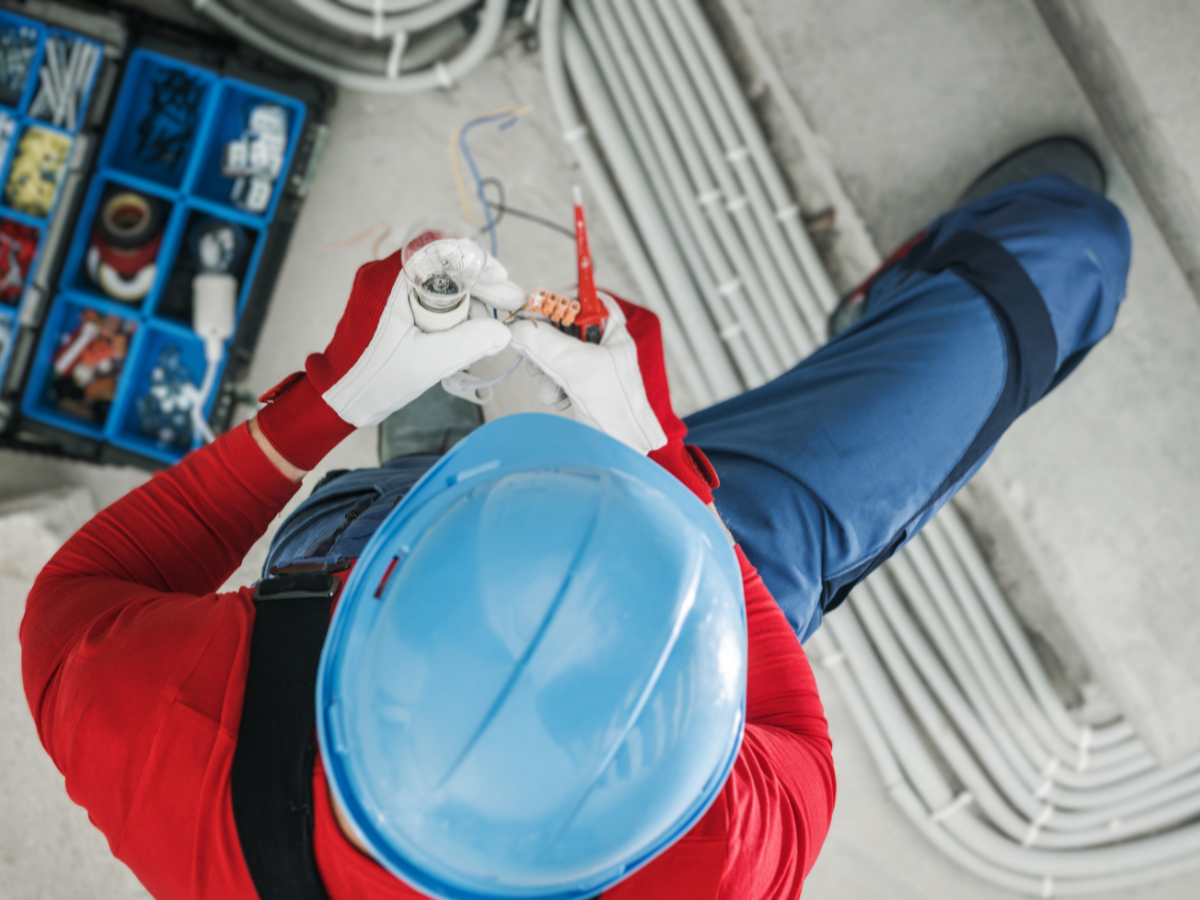 In most cases, commercial electrical problems come down to one or more of these key factors:
- Increased load without infrastructure upgrades
- Aging buildings and outdated installations
- Poor maintenance and lack of inspections
- Improper installation or rushed renovations
When Electrical Issues Affect Business Operations
Electrical problems in commercial spaces frequently result in disruptions that impact business operations. Some of the most common consequences include:
- Productivity losses, reduced employee safety, insurance liabilities
- Downtime from tripped breakers and system failures
- Legal exposure from code violations or injuries
Prevention Tips for Business Owners
All commercial building owners should use these tips to help prevent electrical problems that disrupt operations and create safety hazards:
- Schedule regular inspections performed by a licensed electrician.
- Hire a contractor that uses infrared thermal imaging to detect hot spots.
- Upgrade panels and wiring when expanding equipment.
- Use surge protectors, energy monitors, and breaker labels.
When to Call a Commercial Electrician
If you notice any of these signs, call an electrician right away:
- Burning smell near outlets
- Frequent breaker tripping
- Flickering or dimming lights
- Buzzing sounds from panels
- Sparking from any outlet
- Hot or scorched outlets
- Loose or exposed wiring
- Sudden power loss areas
- Overloaded circuit panels
- Equipment shutting off randomly
Here are the three most important questions to ask when hiring an electrician:
- Are you licensed and insured?
- What commercial experience do you have?
- Can you provide recent references?
 Commercial electricians have experience in complex wiring and high-voltage systems, unlike residential electricians. Here at Mister Sparky we offer expert commercial electrical work all throughout Lakeland, FL and nearby areas. We are Lakeland’s on-time electrician for both large and small projects.
FAQs
How often should a commercial building be inspected?
You should have the electrical system in your commercial building inspected at least once to twice a year. This allows an electrician to spot any potential issues before they become major problems.
What are signs of electrical fire risk?
You can watch for many signs that increase the risk of fire in your commerical building. They include flickering or dimming lights, tripped breakers that won’t reset, outlets that spark, burn marks on outlets, buzzing sounds near wiring and many more.
Can my maintenance staff handle small repairs?
Maintenance staff can usually handle small electrical repairs, like replacing light bulbs or resetting breakers. Problems involving wiring or circuit panels will need help from a licensed electrician.
How do I know if my breaker panel is too old?
An outdated panel will normally cause problems like frequent breaker trips or inconsistent power supply. If it’s been more than 25 years since you’ve updated your panel, it’s probably time for a new one.